

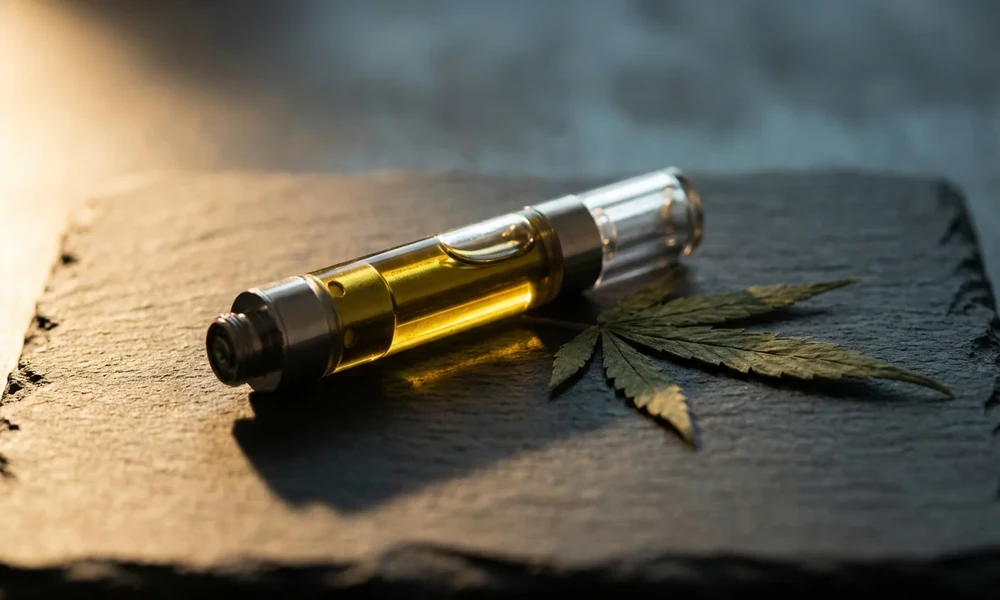
A number printed on a vape box rarely tells the whole story, though plenty of buyers treat it that way at checkout. Total milligram content depends on cartridge size, how concentrated the extract actually is, and whether that extract got distributed evenly during filling, three variables that don’t always move together. Shoppers comparing thca vapes tend to assume bigger numbers mean stronger effects, and that’s not always true once you factor in dosing per puff. A larger cartridge holding the same concentration as a smaller one lasts longer, but it doesn’t hit harder. Manufacturers don’t even calculate these figures the same way across the board. Some base totals on lab-verified potency, others lean on formulation estimates that were never independently confirmed afterwards. That gap has left more than a few buyers wondering whether the printed number bears much resemblance to what actually ends up in the vapour. Knowing how a figure got calculated in the first place tends to matter more than the figure itself.
Cartridge size factors
Total milligram content scales with how much extract a cartridge physically holds, which sounds obvious on paper but gets missed constantly during side-by-side comparisons. A half-gram cartridge and a full-gram one at identical concentration will post very different totals despite delivering the same strength per puff.
Buyers fixated on the printed total sometimes end up overpaying per session without realising it, mainly because a bigger cartridge spreads the same concentration across more draws rather than making each one stronger.
- Check cartridge volume alongside the milligram total, not the number in isolation.
- Divide total milligrams by an estimated puff count for a rough per-dose figure.
- Compare concentration percentage instead of leaning on the total alone.
- Weigh the cost per milligram rather than the cost per cartridge when comparing sizes.
Concentration versus total
A milligram total and a concentration percentage aren’t measuring the same thing, even though packaging often blurs that line on purpose or by accident. Concentration is the strength per unit of extract. Total multiplies that strength across however much extract sits in the cartridge.
Two cartridges can show identical milligram totals and still test differently, especially when one packs that total into a smaller volume at a higher concentration. Buyers comparing potency across brands usually find concentration the steadier number to trust, since cartridge size doesn’t throw it off the way it does with totals.
Verification method gaps
Every milligram figure does not come from the same place. Some brands run every single batch through third-party lab testing before the number ever hits a label. Others do the math based on known extract concentration and skip confirming whether the finished product actually matches.
That gap between calculated and verified numbers explains a good chunk of the inconsistency buyers run into when comparing similar products across brands. A figure backed by an actual certificate of analysis carries more weight than one built purely on intended formulation.
Looking past the printed number toward what it’s actually measuring, rather than treating it as gospel on strength alone, gives a much clearer read on what a cartridge really delivers.
